



Omnichannel Marketing: How to Stay Connected Across Every Platform
In today’s fast-paced digital world, your customers are everywhere — scrolling on Instagram, shopping through mobile apps, checking emails during lunch breaks, and comparing products on Google before making a final decision. And if your brand isn’t seamlessly present across all these touchpoints, you’re leaving opportunities on the table.
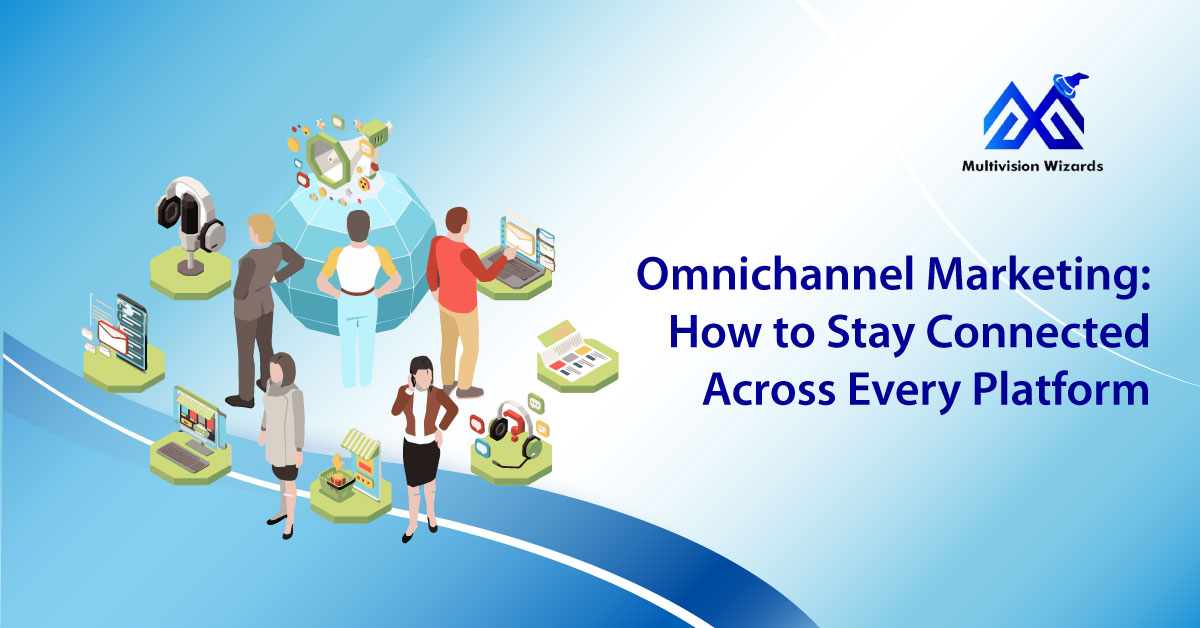
That’s where Omnichannel Marketing steps in — a strategy that helps your brand build one unified experience across every channel your audience uses. It’s not about being present everywhere; it’s about being connected everywhere.
At Multivision Wizards, we’ve seen how powerful a well-built omnichannel strategy can be. It not only improves customer engagement but also strengthens brand recall and drives consistent growth. Let’s understand how brands can master the art of staying connected across every platform.
What Is Omnichannel Marketing?
Omnichannel marketing is an integrated approach that focuses on creating a consistent brand experience across all online and offline touchpoints — whether your customer is visiting your website, walking into your store, engaging on social media, or opening an email.
Unlike multichannel marketing, where each channel works separately, omnichannel marketing connects them all. It ensures your audience can move smoothly from one platform to another without feeling lost or disconnected.
For example:
- A customer who sees your Instagram ad can click to explore your website, add a product to their cart, receive a personalized email reminder, and later visit your store — all while interacting with a brand that feels the same at every stage.
Why Omnichannel Marketing Matters More Than Ever
Customers today expect brands to understand them — not just advertise to them. They want convenience, relevance, and consistency. Omnichannel marketing bridges the gap between channels, creating a unified experience that builds loyalty and trust.
Here’s why it matters:
- Higher engagement: People engage more with brands that offer seamless communication.
- Better customer retention: Consistency creates trust and repeat purchases.
- Improved brand visibility: Presence across channels strengthens brand recognition.
- Data-driven personalization: A connected system helps you understand customer behavior better.
In short, omnichannel marketing isn’t just a marketing strategy — it’s a customer experience strategy.
How Omnichannel Marketing Works — The Core Structure
Building an omnichannel strategy isn’t about adding more platforms; it’s about making every platform talk to each other. Here’s how it typically works:
- Data Integration: Combine customer data from all sources — website, social media, email, CRM, and physical interactions.
- Customer Journey Mapping: Understand how your customers move across channels before making a purchase.
- Unified Messaging: Maintain consistent brand tone, design, and value across every platform.
- Personalized Communication: Deliver relevant messages based on customer preferences and behavior.
- Continuous Optimization: Analyze engagement patterns and refine the experience to keep it fluid and efficient.
Key Components of an Effective Omnichannel Marketing Strategy
1. Seamless Brand Identity
Your brand voice, tone, and visual identity should remain consistent across all platforms. Whether it’s your website homepage or a tweet, the customer should instantly recognize your brand.
2. Unified Customer Data
Centralize your data. When all touchpoints feed into one system, it becomes easier to understand what customers want and predict how they’ll interact next.
3. Real-Time Engagement
Responding quickly and contextually matters. If a customer leaves an item in their cart, a timely reminder — whether by email or notification — can make all the difference.
4. Personalization at Every Level
Personalized recommendations, targeted emails, and contextual ads make interactions more meaningful. When customers feel understood, they stay longer and engage deeper.
5. Channel Synchronization
Ensure that every channel supports and complements the other. For example, your Instagram campaign should align with your website offers and reflect the same design or message seen in your email newsletters.
How Omnichannel Marketing Benefits Businesses
- Better Customer Experience: Customers enjoy a smoother and more personalized interaction with your brand.
- Stronger Brand Loyalty: Consistency builds familiarity, and familiarity builds trust.
- Higher Conversion Rates: A connected experience reduces friction, leading to quicker purchase decisions.
- Deeper Customer Insights: With integrated data, you can track and analyze the entire customer journey in one view.
At Multivision Wizards, we often say that omnichannel marketing isn’t about selling — it’s about connecting. When your audience feels connected, sales follow naturally.
Common Mistakes Businesses Make in Omnichannel Marketing
- Treating each platform as a separate campaign instead of one connected ecosystem.
- Over-communicating with repetitive or irrelevant content.
- Ignoring offline touchpoints like customer service, packaging, or in-store experience.
- Using inconsistent brand messaging or visuals across platforms.
The goal is to make every interaction — digital or physical — feel like part of a single story.
Real-Life Example: How Omnichannel Creates Impact
Imagine a skincare brand running a campaign:
- You see a social media ad about a new moisturizer.
- You click through to the website and take a short quiz that recommends products for your skin type.
- You receive an email with a discount code based on your quiz results.
- Later, while scrolling on your phone, you get a reminder ad showing your preferred product.
- When you visit their physical store, the staff already knows what you were interested in.
That’s the magic of omnichannel — personalization that feels effortless.
How Multivision Wizards Builds Omnichannel Strategies That Work
- We start by understanding your target audience and behavior patterns.
- We build an integrated marketing structure that connects your website, social media, email, ads, and offline presence.
- We craft consistent messaging that reflects your brand identity and values.
- We monitor customer interactions in real time, allowing your brand to adapt dynamically.
Our goal is simple — to help businesses create marketing that doesn’t feel like marketing, but rather a natural, ongoing conversation.
How to Start Building an Omnichannel Strategy
- Audit Your Current Channels – Identify gaps between your existing platforms.
- Unify Your Data Systems – Use a CRM or marketing automation platform to centralize customer data.
- Develop Consistent Messaging – Align your visuals, tone, and communication style.
- Integrate Online and Offline Touchpoints – Make sure your website, store, and customer support teams share the same customer context.
- Test and Optimize – Keep tracking, analyzing, and refining your customer journeys.
Conclusion: Staying Connected Is Staying Relevant
The digital world has become fragmented, but your brand doesn’t have to be. Omnichannel marketing ensures your audience experiences your brand as one continuous journey — whether they see an ad, read an email, or walk into your store.
It’s not about being everywhere. It’s about being present and consistent wherever your customers are.
At Multivision Wizards, we help businesses weave their stories seamlessly across every platform — transforming disconnected campaigns into connected experiences that drive loyalty, trust, and measurable growth.
Let’s build your brand’s omnichannel journey — one that keeps your customers connected, engaged, and coming back.
Frequently Asked Questions (FAQs)
- What does omnichannel marketing mean?
Omnichannel marketing is a strategy where a brand creates a seamless and unified experience across all online and offline customer touchpoints. - How is omnichannel different from multichannel
marketing?
Multichannel uses multiple platforms separately, while omnichannel connects them all to create a single, cohesive brand experience. - Why is omnichannel marketing important for business growth?
It builds trust, strengthens customer relationships, and improves engagement by delivering consistent experiences across every channel. - Can small businesses use omnichannel marketing?
Yes. Even small brands can benefit by integrating a few key platforms like social media, email, and website interactions for a connected experience. - How can Multivision Wizards help in omnichannel
marketing?
Multivision Wizards crafts data-driven, customized omnichannel strategies that align with your brand goals and help you stay connected across every platform your customers use.